ULTRASONIC NOZZLE
Zero Air Nozzle
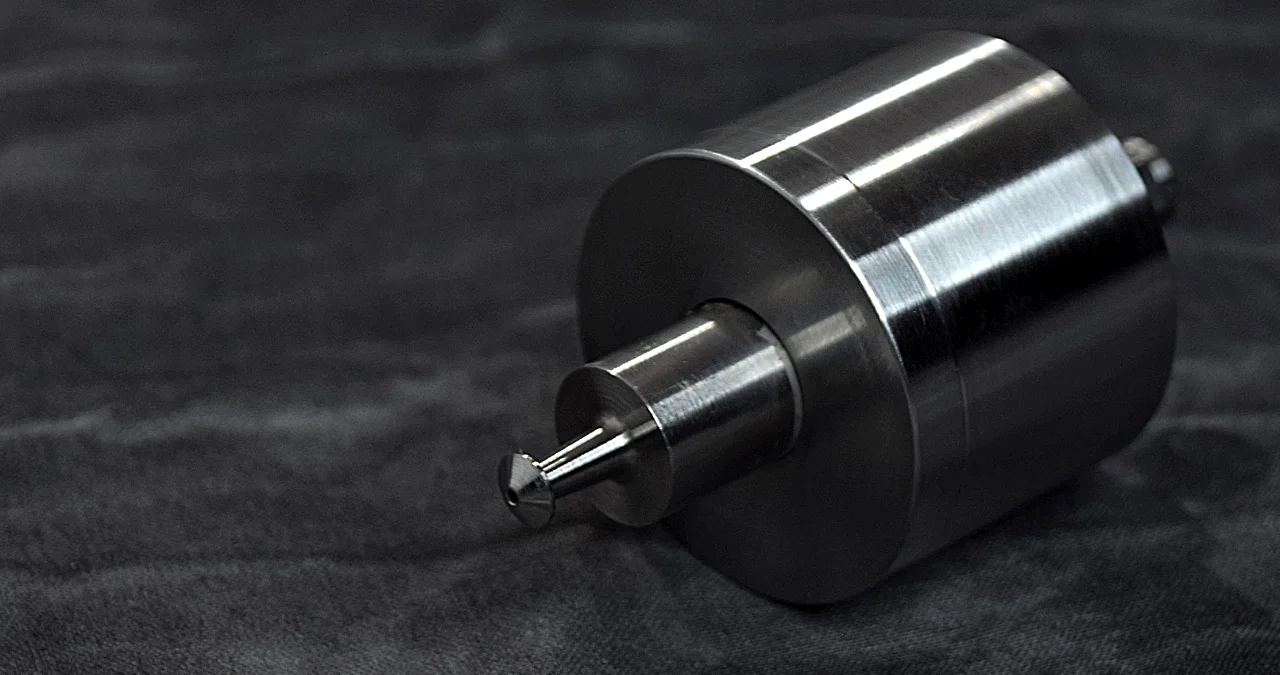
Unlike traditional nozzles that use air pressure to force liquid through a small orifice, ultrasonic nozzles operate by converting high-frequency piezoelectric energy into mechanical vibrations. MicroSpray devices transmit this vibration through titanium waveguides, focusing acoustic energy at the tip to generate a standing capillary wavelet that atomizes low-viscosity liquids into uniform, selectable fine droplet sizes. These nozzles offer zero-air atomization with virtually zero flow rate, enabling unparalleled control over film thickness and material usage. Representing a sophisticated class of atomization technology, they are essential for applications requiring highly precise thin films and aerosol generation — particularly processes using high-cost inks or functional coatings where material waste must be minimized.
Droplet Size (48 kHz)
38–45 µm
Droplet Size (60 kHz)
30–35 µm
Droplet Size (120 kHz)
12–15 µm
Film Thickness Control
±2%
Transfer Efficiency
> 95%
Material
Titanium alloy
How This Ultrasonic Spray Nozzle Works
Each nozzle operates at a specific resonant frequency that directly dictates median droplet size — higher frequencies yield smaller droplets. For example, a 120 kHz nozzle produces a median droplet size of approximately 18 microns when spraying water. This precise control over droplet size is mathematically predictable, resulting in a tight drop distribution of highly monodisperse droplets. The resulting low-velocity mist can be further shaped using low-velocity air shaping devices to precisely direct the spray into fine lines, conical shapes, or wide flat fans, enhancing deposition control.
Key Features
Titanium Construction & Sealed Elements
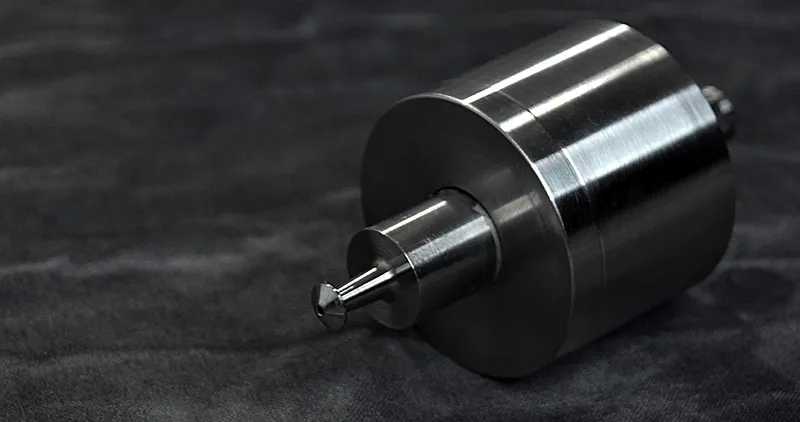
Engineered for durability and chemical resistance, Zero Air Nozzles are fabricated from high-strength titanium alloy and other proprietary metals. The electrically active elements are sealed, protecting them from external contamination. The internal design ensures that the liquid only contacts titanium surfaces, preventing contamination or degradation of sensitive process fluids.
Non-Clogging Design for Nanoscale Materials
A notable benefit of ultrasonic atomization is its non-clogging nature, making it ideal for spraying nanoscale materials prone to flocculation. Unlike pressure-based nozzles with restrictive orifices, the ultrasonic atomization mechanism operates at the nozzle tip surface, eliminating the primary cause of blockages in conventional spray systems.
Key Advantages
- Excellent film thickness control (±2%) for repeatable, uniform coatings
- High transfer efficiency (>95%) with minimal overspray and material waste
- Zero-air atomization with virtually zero flow rate
- Reduced downtime due to clog-resistant design
- Easy scalability from research to high-volume production
- Robust, energy-efficient solution for thin film and micro-coating applications
Product Demos
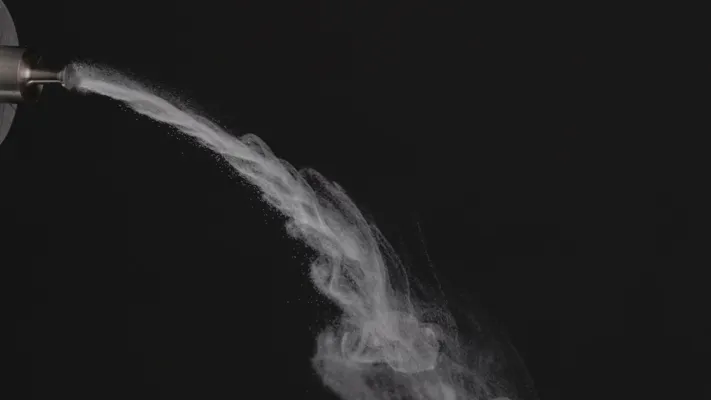
Zero-Air Nozzle — Open Air Spray
Zero-Air Nozzle spraying into an open-air environment using isopropyl alcohol for visibility. Footage slowed to 40%.
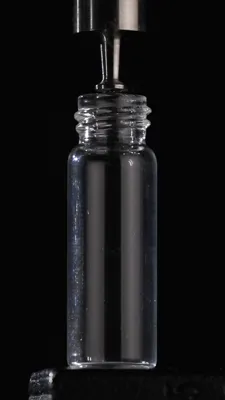
Zero-Air Nozzle — Glass Vial Coating
Zero-Air Nozzle coating a glass vial interior, demonstrating precision coverage on curved substrates.
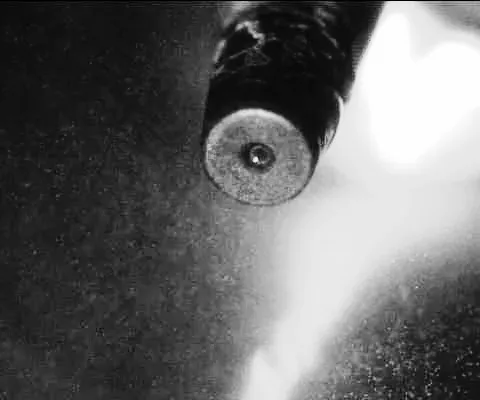
High-Speed Atomization — 100,000 fps
Ultra-high-speed capture of the Zero-Air Nozzle face atomizing at approximately 100,000 fps.
Ideal Applications
Supporting Research
Peer-reviewed publications and technical literature relevant to this application area. Links open the publisher's site.
- Design and experiment of low-frequency ultrasonic nozzle integrating air-assistant system and acoustic levitation mechanism
Gao et al.
International Journal of Agricultural and Biological Engineering ·
Open access · no paywall
Reports mean droplet diameters spanning roughly 11.5–52 µm at 60 kHz across operating conditions.
- A novel method for preparing proton exchange membrane fuel cell electrodes by the ultrasonic-spray technique
Millington, Whipple & Pollet
Journal of Power Sources ·