
Applications
From blood collection tube coatings to fuel cell membranes, MicroSpray nozzles enable precision deposition across medical, energy, electronics, and research.
Medical
Precision coatings for diagnostic devices, implants, and drug delivery systems.
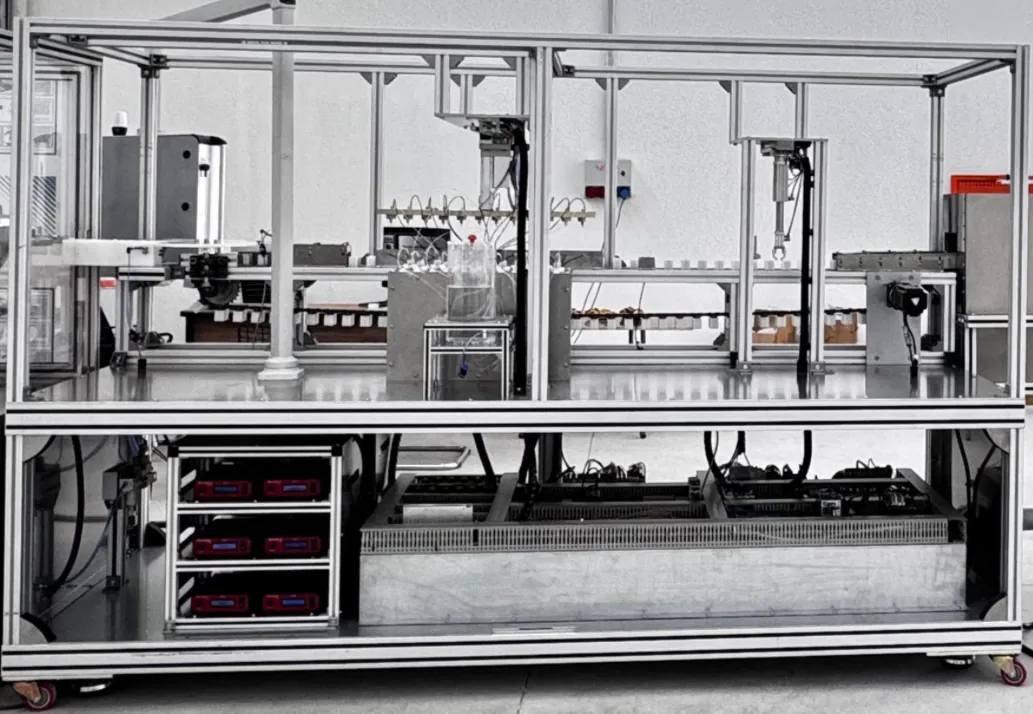
Blood Collection & Blood Gas Tubes
Precision interior coating of evacuated blood collection tubes, blood gas collection tubes, syringes, and VBCT devices with EDTA, heparin, silicones, and blood clot activators using airless ultrasonic spray technology, on production coating systems that run millions of tubes per month.
Learn more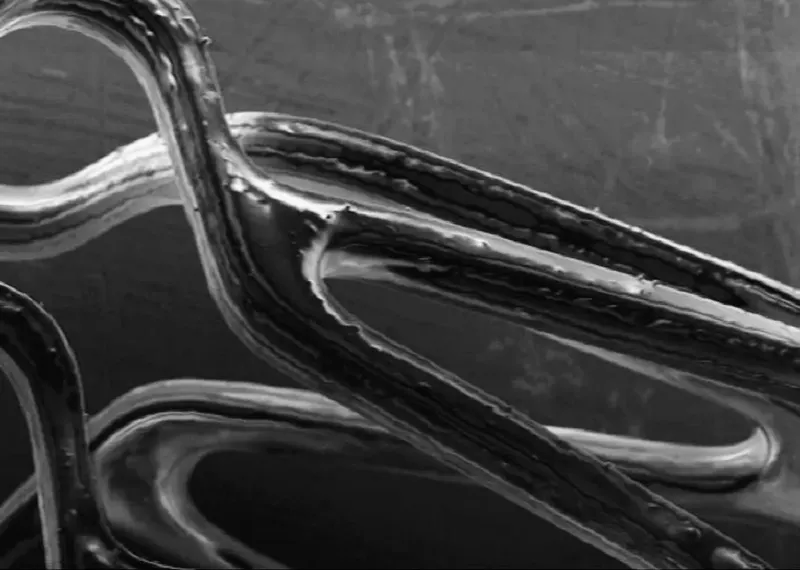
Stent Coating
Precise drug-polymer coatings on stents and balloon catheters, supporting complex drug release profiles with minimal material waste.
Learn more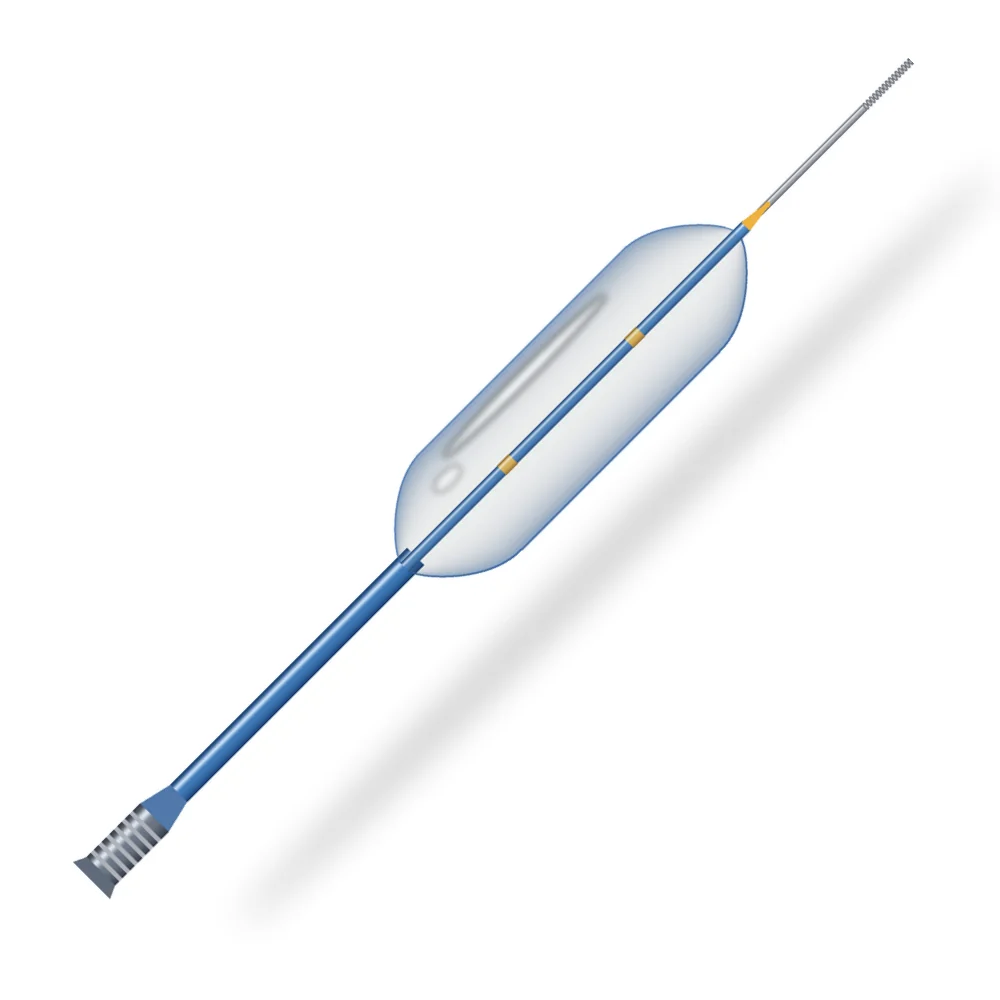
Balloon Catheter & Guidewire Coating
MicroSpray ultrasonic coating for balloon catheters, guidewires, and other minimally invasive devices — uniform drug, lubricious, and hydrophilic coatings with selective-area placement and minimal waste of expensive materials.
Learn more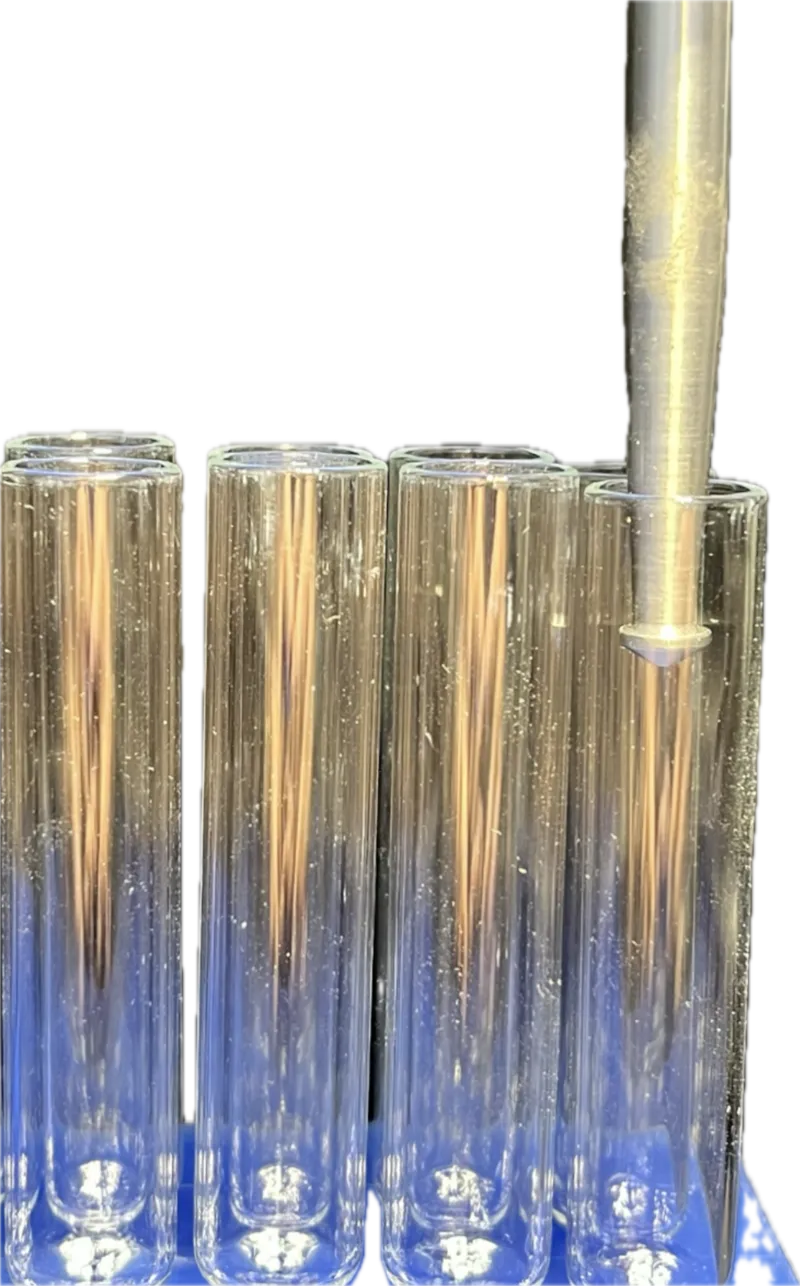
GLP-1 Auto-Injector Siliconization
Uniform silicone coating inside auto-injector cartridges using Dow Liveo 366 35% GLP-1 and compatible medical-grade surfactants — delivering consistent plunger glide force, precise dose delivery, and long-term device reliability.
Learn more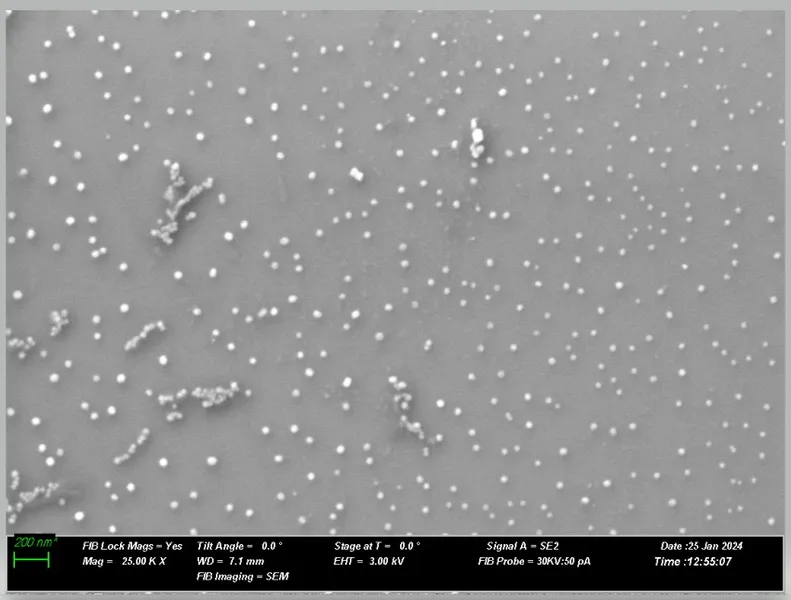
Biomedical Q-Dot & Nanophase Coatings
Precision application of quantum dot, graphene oxide, nano-hydroxyapatite, and other nanophase coatings for implantable medical devices and biomedical research.
Learn moreEnergy & Clean Tech
Catalyst and thin-film deposition for fuel cells, solar cells, and energy storage.
Fuel Cell & Electrolyzer Coating
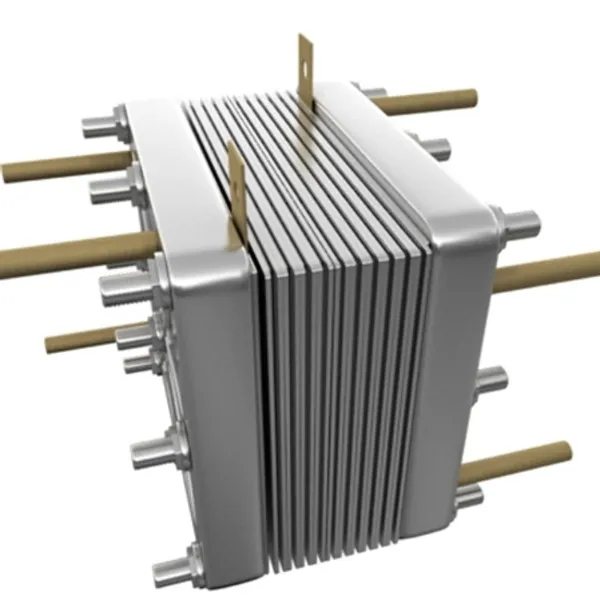
Ultrasonic spray deposition for every layer of a fuel cell or electrolyzer: platinum-group catalyst inks on PEM membranes and gas diffusion layers, and YSZ, Ni-YSZ, LSCF, and LSM ceramic suspensions for solid oxide cells. Thin, uniform films with minimal material waste, from single-cell R&D to stack production.
Learn more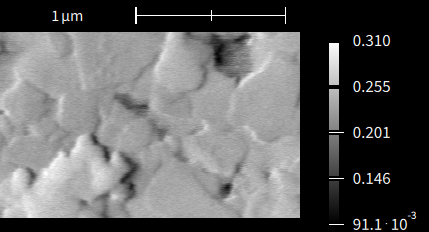
Solid-State Battery Coatings
The next generation of lithium batteries is being built on thin ceramic films. Solid-state batteries (SSBs) replace the flammable liquid electrolyte in today's lithium-ion cells with a solid ceramic ion conductor — and the central manufacturing challenge, as leading researchers have framed it, is producing those ceramics as robust films of 1–20 µm, the same thickness class as the polymer separators in conventional cells, without resorting to high-temperature sintering. That challenge is a wet-chemical processing problem. And it is exactly the kind of problem ultrasonic spray deposition was built for.
Learn more
Solar Cell Coating
Ultrasonic spray deposition of solution-processed photovoltaic layers — organic donor-acceptor absorbers, metal-halide perovskite precursors, TiO₂ and SnO₂ electron-transport layers, hole-transport polymers, and kesterite CZTS films — with the wetting, drying, and surface-chemistry control that turns a sprayed liquid into a device-quality thin film.
Learn more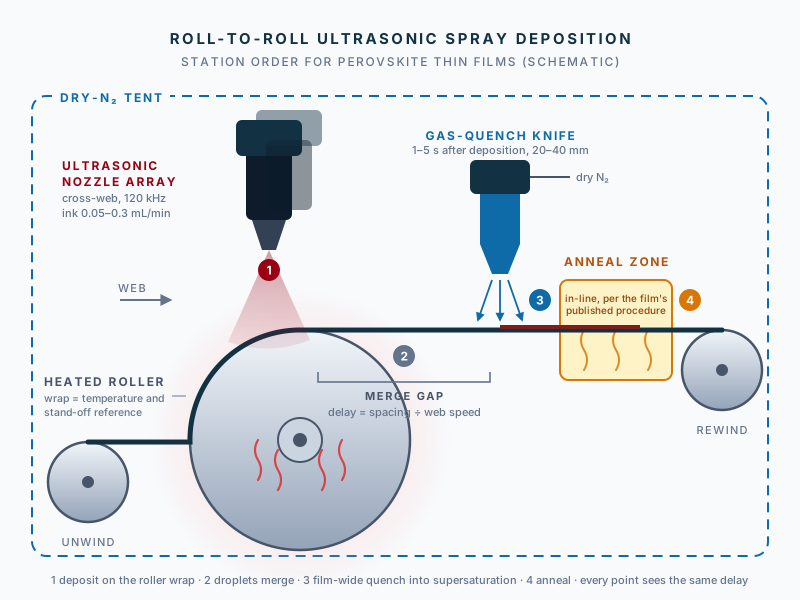
Hybrid Perovskite Thermal-Insulation Films
A 2026 Science Advances paper reports spin-cast layered hybrid perovskite films with record-low thermal conductivity (~0.04 W/m·K) and the stiffness of an engineering plastic. Spin coating doesn't scale; ultrasonic spray deposition does. This page and its white paper lay out the process engineering: ink compatibility, gas quenching, roll-to-roll layout, and swirl-gas quench control.
Learn more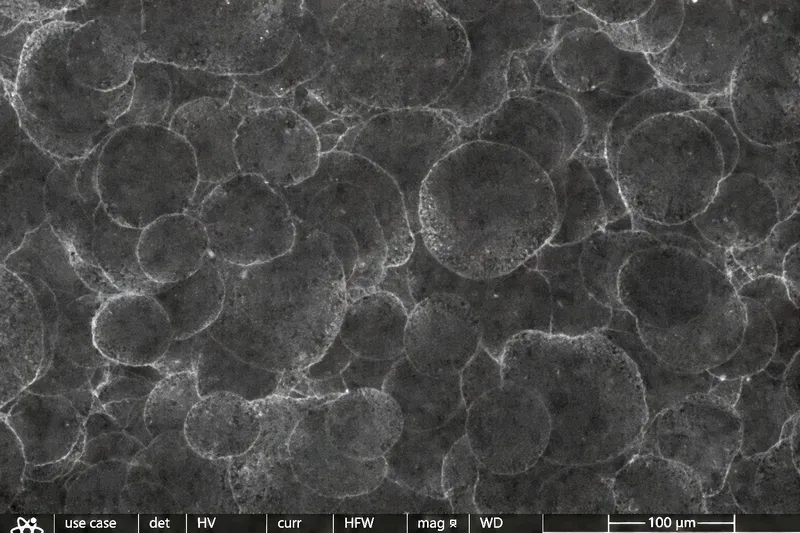
Electrocatalysis Coating
Precision catalyst layer deposition for electrochemical cells including alkaline water electrolyzers, PEM electrolyzers, solid oxide electrolyzers, and CO2 reduction systems for green hydrogen production. Our nozzles have also been used to dispense MXene inks for electrocatalyst supports and conductive electrode layers, alongside metal and oxide nanoparticle inks.
Learn more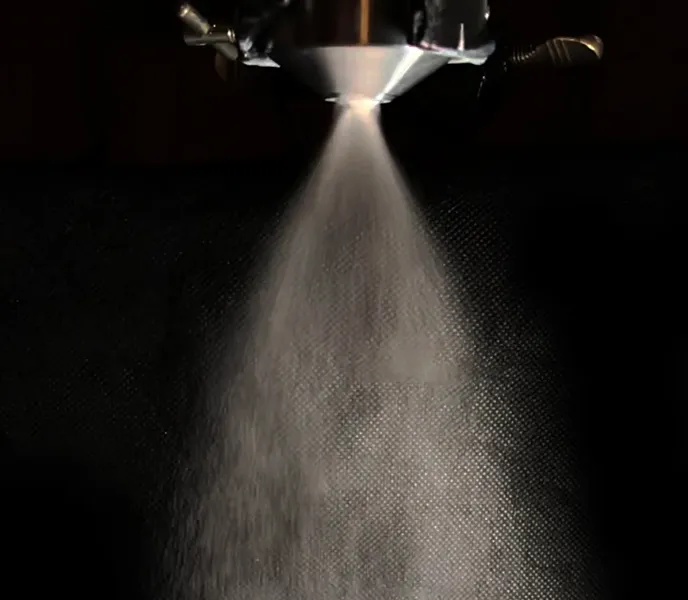
Spray Pyrolysis
High-temperature nanoparticle formation and crystalline thin-film deposition for transparent conductive oxides (TCOs), metal oxide sensors, and energy storage materials using ultrasonic spray pyrolysis.
Learn more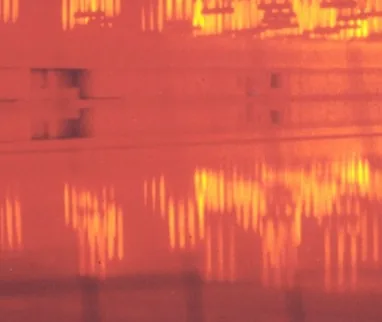
Low-E Glass Coating
Pyrolytic deposition of low-emissivity (low-E) and transparent conductive coatings such as fluorine-doped tin oxide (SnO₂:F) on hot glass — with the droplet-size control needed to manage the Leidenfrost effect and hold deposition in its ideal regime.
Learn moreQuantum Dot & Nano PV
Ultrasonic spray coating for quantum dot solar cells, perovskite photovoltaics, and nanomaterial-based luminescent solar concentrators with gentle, uniform deposition that preserves nanocrystal properties.
Learn more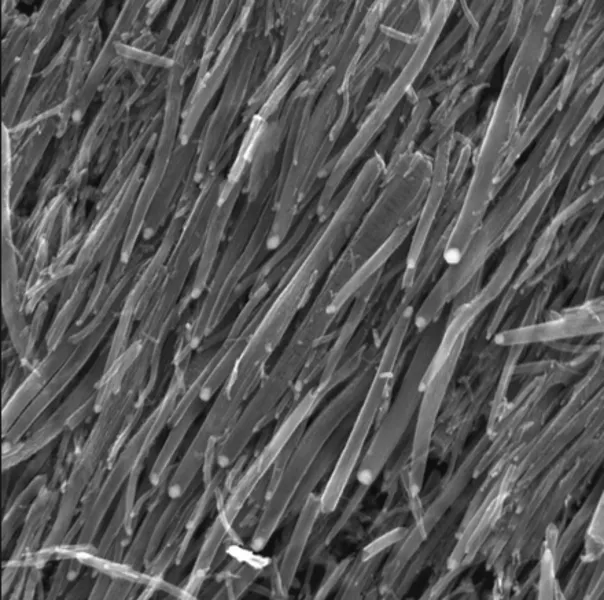
Battery Electrodes & Nanomaterials
Nanomaterial coatings for energy storage electrodes including lithium-ion batteries, supercapacitors, and solid-state energy storage devices using graphene, carbon nanotubes, and nano-silicon active materials.
Learn moreElectronics & Nano
Conductive inks and nanomaterial coatings for printed and flexible electronics.
Conductive Ink
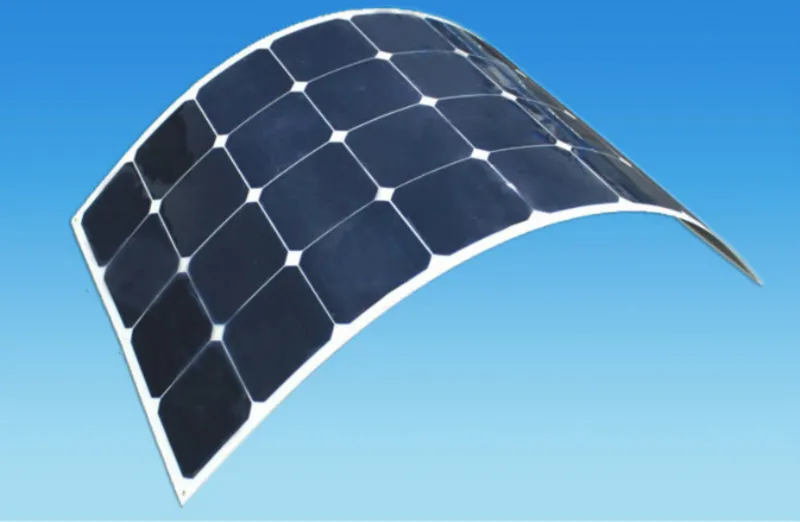
Ultrasonic atomization for depositing conductive inks containing silver and copper nanoparticles, carbon nanotubes, and graphene for printed circuits, flexible electronics, OLED displays, and transparent conductive films.
Learn moreSpray Fluxing
Ultrasonic spray fluxing for wave and selective soldering — precise, repeatable flux deposition on PCBs that eliminates the overspray, clogging, and residue problems of foam fluxers and pressure spray heads.
Learn more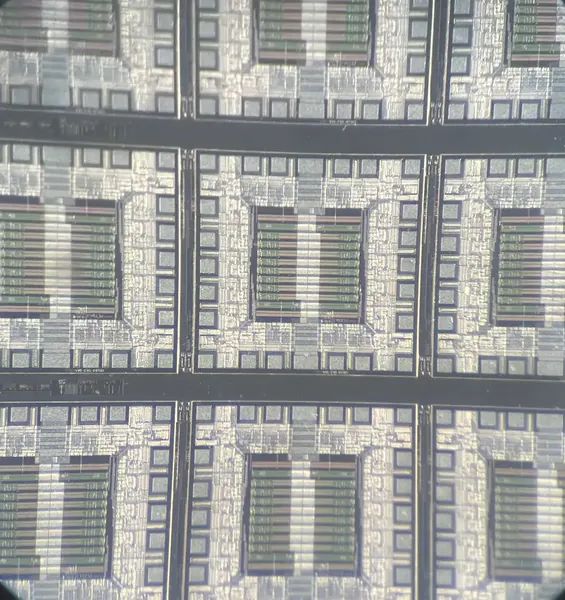
Photoresist & Polyimide Coating
Ultrasonic spray coating of photoresists and polyimide dielectrics — conformal coverage over 3D MEMS structures, deep cavities, and non-round substrates where spin coating fails or wastes most of the material.
Learn moreEMI Shielding Coating
Ultrasonic spray deposition of conductive EMI shielding coatings on semiconductor packages, module lids, and enclosures — a lower-cost, faster alternative to sputtering for package-level shielding.
Learn moreResearch & Materials
Spray pyrolysis, quantum dots, and advanced thin-film deposition for R&D.
Self-Driving Labs
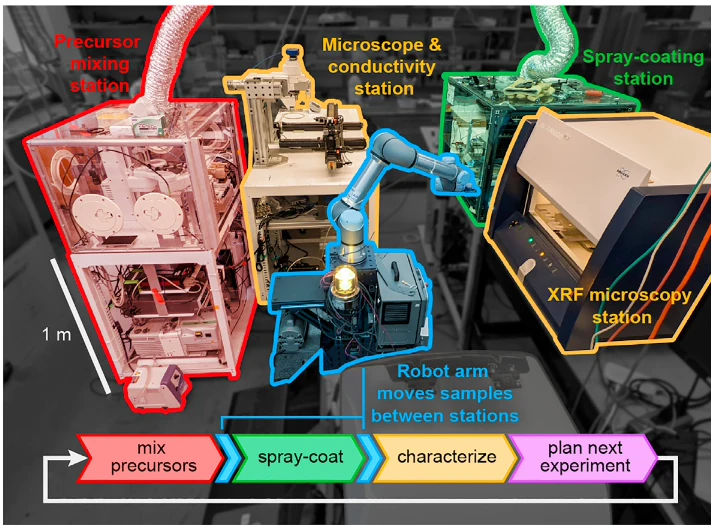
A self-driving laboratory runs an experiment, measures the result, and decides what to try next without a person in the loop. It is the fastest way anyone has found to search a large materials design space, and it works in microliter volumes on small coupons. The question that follows every campaign is whether the recipes it finds survive the trip to a real coating process. In a 2022 Nature Communications study, a group at the University of British Columbia answered that question with an ultrasonic spray coater. Their self-driving laboratory, Ada, mapped the trade-off between processing temperature and electrical conductivity for palladium films made by combustion synthesis. The recipes it discovered were then spray-coated onto heated glass, and the authors report that the coater was built from a Microspray ultrasonic nozzle operated at 120 kHz.
Learn more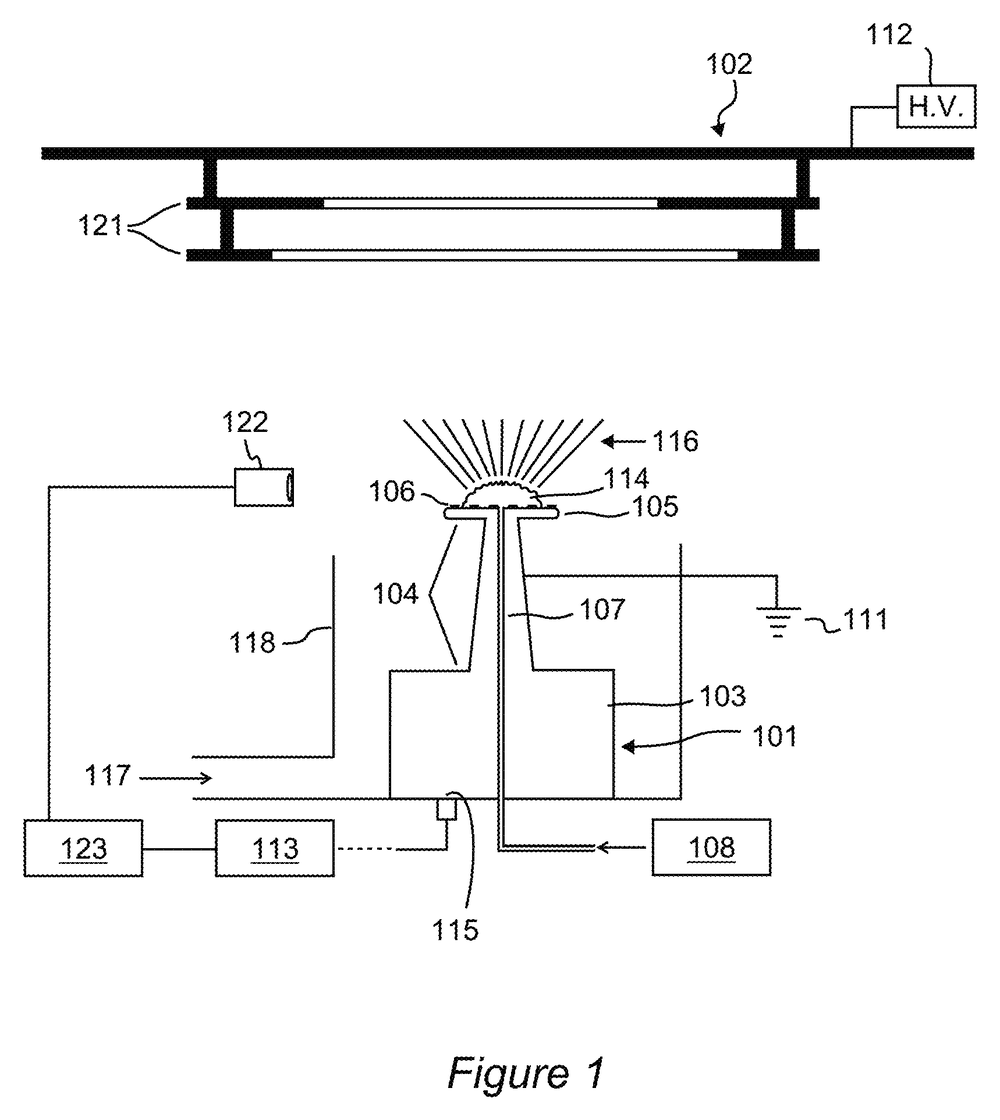
Ultrasonic Electrospinning
A 2025 US patent from Virginia Commonwealth University, US 12,421,630 B2, shows that a MicroSpray focused ultrasonic spray nozzle, turned tip-up and placed in a high-voltage field, becomes a needle-free electrospinning spinneret. Acoustic vibration forms a standing wave on the polymer meniscus, and fibers jet simultaneously from multiple wave peaks, producing sub-micron polyacrylonitrile fibers without multi-needle spinnerets.
Learn more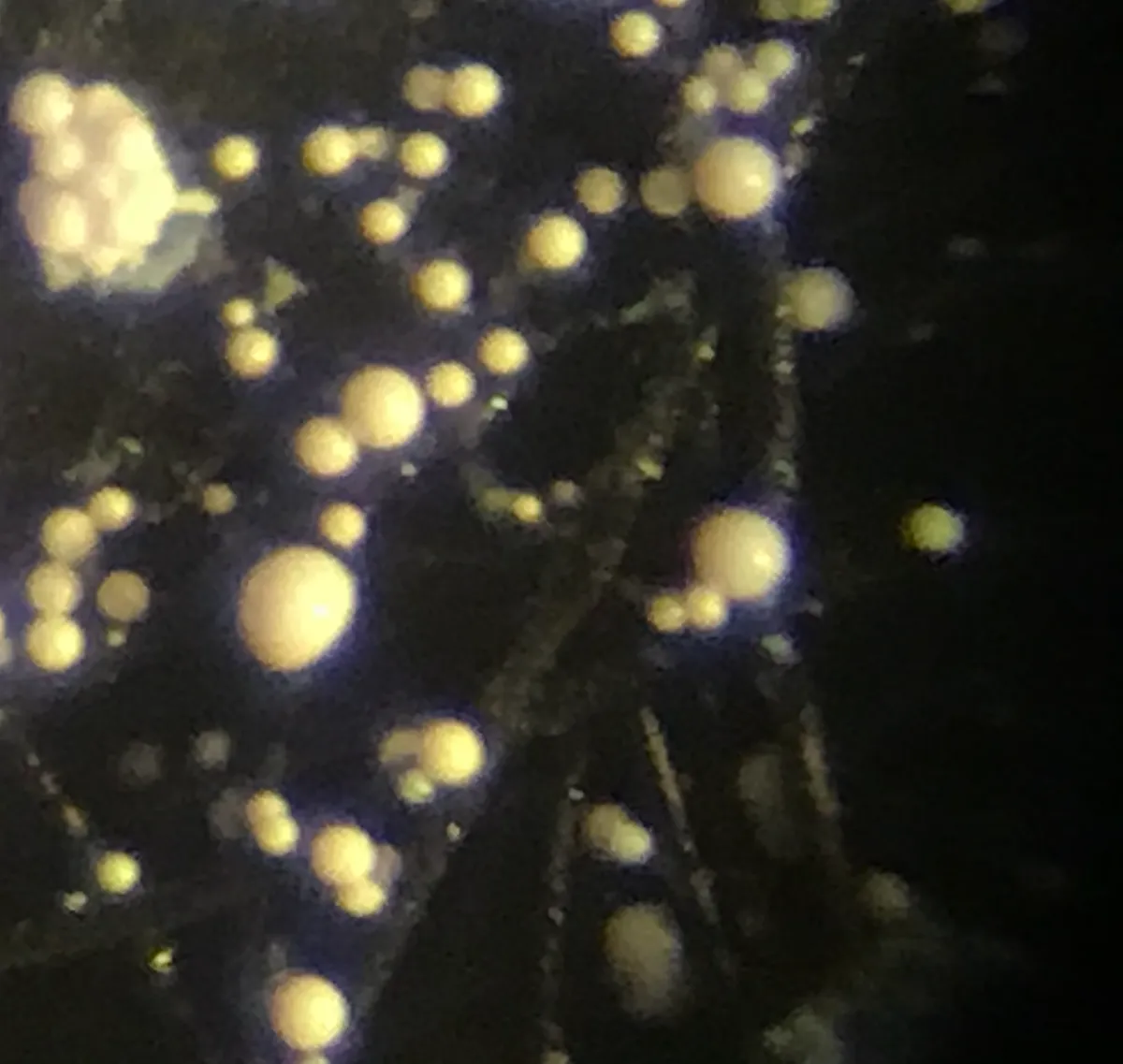
Spray Drying
Ultrasonic spray drying nozzles for uniform particle production — narrow droplet size distribution for pharmaceutical microencapsulation, ceramic granulation, and engineered powder research.
Learn moreNot sure which application fits your process?
Our engineers help you identify the right nozzle and coating approach for your specific requirements.