MEDICAL APPLICATION
Biomedical Q-Dot & Nanophase Coatings
Precision application of quantum dot, graphene oxide, nano-hydroxyapatite, and other nanophase coatings for implantable medical devices and biomedical research.
The Challenge
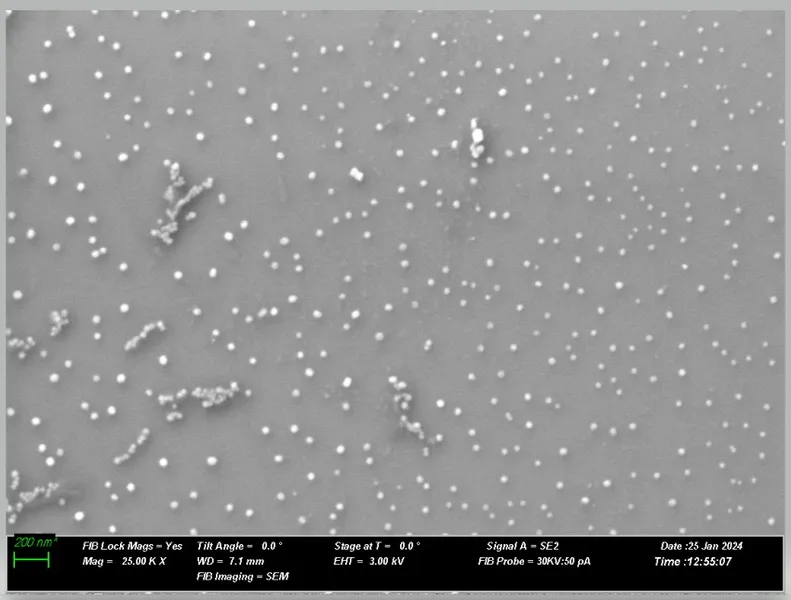
Applying trace amounts of expensive bio-active or nanophase materials in uniform, micron-thin coatings is nearly impossible with traditional methods. Nanoparticles like carbon nanotubes and graphene oxide agglomerate during conventional spraying, leading to uneven dispersion and inconsistent coating coverage on medical devices and implants.
Our Solution
MicroSpray ultrasonic vibration prevents nanoparticles from clumping, yielding extremely homogeneous suspensions during deposition. The low-kinetic-energy process greatly reduces overspray while enabling ultra-low flow rates for micron-thick layers with high precision, critical for reproducibility in medical device manufacturing.
Why Ultrasonic Spray?
- ✓Ultrasonic vibration deflocculates carbon nanotubes and graphene oxide during spraying
- ✓Low-kinetic-energy process greatly reduces overspray of expensive nanomaterials
- ✓Ultra-low flow rates enable micron-thick layers with high precision
- ✓High transfer efficiency minimizes waste of rare therapeutic nanoparticles
- ✓Tight control over thickness and morphology on each part
- ✓Scalable from R&D to production without sacrificing nanoscale uniformity
- ✓Compatible with graphene oxide, nano-hydroxyapatite, and quantum dot formulations
Recommended Equipment
MicroStream™ Nozzle
Ultra-low flow rates enable precise deposition of expensive nanophase materials
View details →Zero Air Nozzle
Airless operation minimizes disruption of sensitive nanoparticle suspensions
View details →See how MicroSpray nozzles can improve your nanomaterial coating applications.
Let's discuss your specific coating requirements.